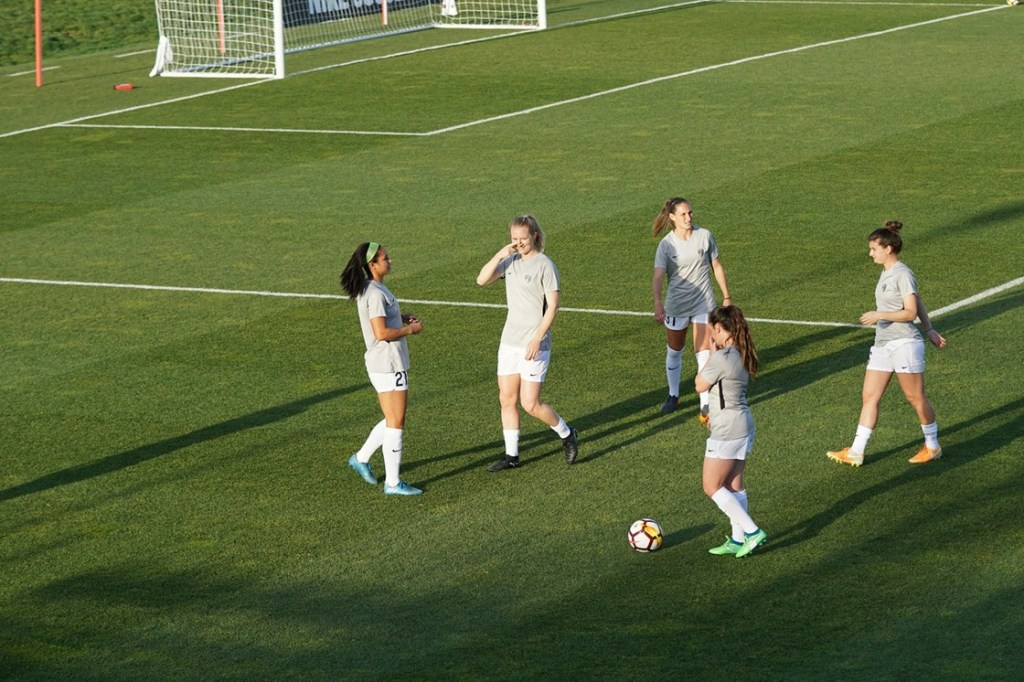
In the world of elite sports, the public often focuses on medals, records, and stats. But behind every headline lies a deeper story—one shaped not just by skill or strategy, but by emotions. For champions, managing emotions is as critical as training muscles. The emotional journey not only fuels performance but defines the person beneath the jersey.
Emotions in Sport: The Unseen Influencer
For top athletes, emotions aren’t just reactions—they actively shape decision-making, focus, recovery, and motivation. Whether it’s bouncing back from a crushing defeat or maintaining composure during a match point, emotional control often separates the good from the great.
Key Emotions in the Making of Champions
Fear and Doubt
Fear of failure, injury, or falling short is common—even among the best. Self-doubt can creep in during losing streaks or injury recovery phases. Many athletes address this through controlled exposure to pressure situations and by reframing fear as an indicator of growth rather than weakness.
Pressure and Anxiety
Athletes constantly face pressure—from sponsors, fans, media, and themselves. The intensity can lead to performance anxiety and mental fatigue. Top performers use cognitive techniques such as breath regulation, mindfulness, and visualization to manage this internal storm and stay present during high-stakes moments.
Resilience and Grit
Resilience is built through repeated exposure to setbacks and the discipline to keep going. Recovering from injury, enduring criticism, or losing at critical moments all contribute to the emotional endurance required to stay at the top. Athletes work with mental coaches to build grit—often focusing on process over outcome.
Joy and Passion
Despite the grind, many athletes trace their longevity to love for the game. Passion drives them through injuries, slumps, and intense training. Flow states—moments where they’re completely immersed—are often linked with emotional highs that reignite motivation.
Loneliness and Isolation
Behind packed stadiums and media coverage, many athletes report emotional isolation. The combination of travel, intense focus, and public scrutiny often limits personal time and connection. Support systems—coaches, family, and sports psychologists—become critical in managing this emotional toll.
Anger and Frustration
When managed well, anger can be a powerful motivator. Many athletes use frustration from setbacks as fuel for performance. However, unregulated anger can disrupt focus or damage relationships. Emotional regulation techniques, including journaling or pre-competition rituals, help redirect this energy constructively.
Emotional Intelligence as a Competitive Edge
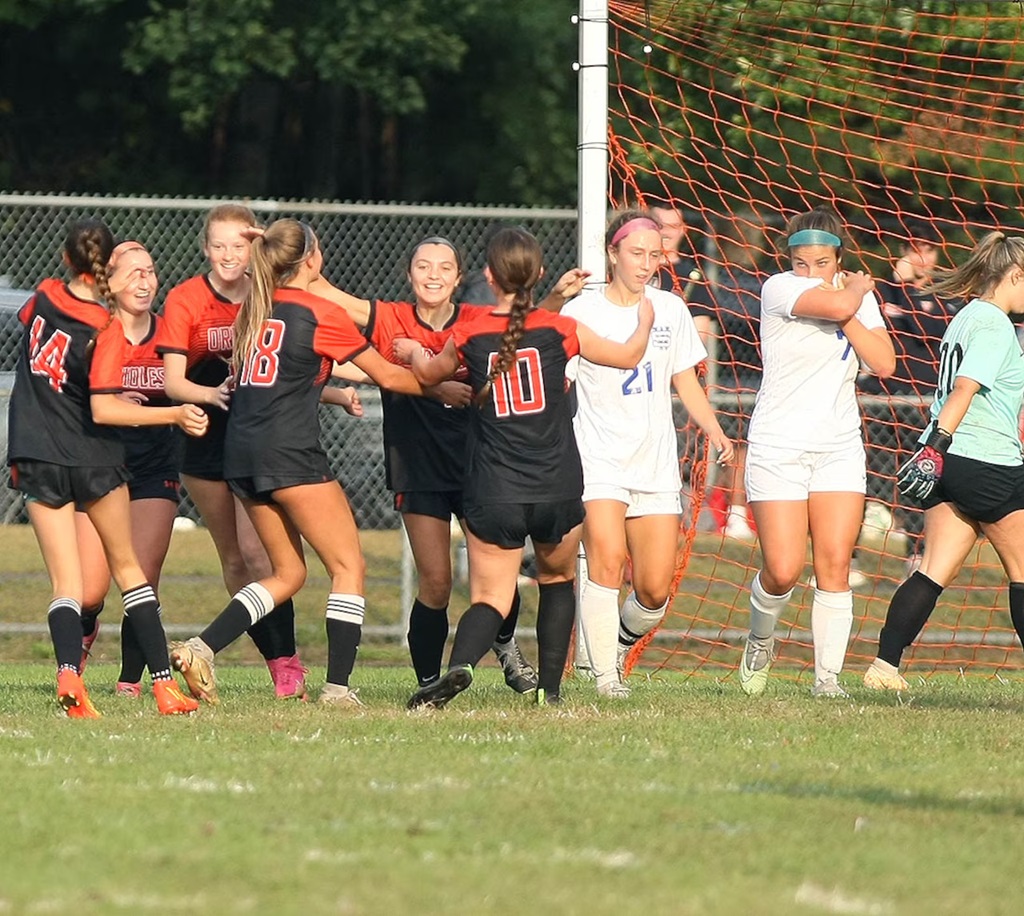
Champions often score high in emotional intelligence (EQ). This includes the ability to identify what they feel, understand how it affects them, and manage their reactions under pressure. EQ enables better decision-making, especially in fast-paced situations where emotional stability becomes more crucial than tactics.
Athletes with strong emotional self-awareness are also more coachable, adaptable, and resilient—traits that contribute directly to long-term success.
The Coach-Athlete Emotional Connection
The emotional dynamic between athlete and coach plays a big role in development. Coaches who understand their athlete’s emotional profile—when to push, when to listen—build stronger bonds and improve performance. Trust, clear communication, and emotional safety in training environments are now considered performance essentials, not extras.
Mental Health: An Integral Part of the Journey
There’s a growing shift in sports where mental health is no longer hidden behind closed doors. Athletes like Naomi Osaka and Simone Biles have openly discussed anxiety, depression, and the pressures of public life. Their decisions to prioritize mental well-being have reframed the conversation—mental health is now part of performance strategy, not separate from it.
Access to sports psychologists, emotional debriefs after competitions, and peer support groups are increasingly standard in elite sports programs.
Culture, Identity, and Emotional Expectations
Athletes from different cultural backgrounds experience and express emotions differently. Gender also influences how emotions are perceived; for instance, assertiveness in male athletes may be celebrated, while emotional expression in female athletes is often criticized. As conversations around diversity and inclusion grow, there’s greater acceptance of emotional nuance in competitive sports.
Turning Points: Emotional Milestones
Behind every major win or loss is an emotional marker. Early rejection from a national team, a comeback after injury, or an unexpected loss in a major final often becomes a defining moment. These emotional highs and lows build the psychological layers that shape a champion’s maturity and identity.
Even retirement brings its own emotional challenges, as athletes face the transition away from structure, competition, and identity built around performance.
Stories of Emotion-Driven Success
- Roger Federer grew from a highly emotional teenager into a composed athlete through self-awareness and emotional discipline.
- Simone Biles prioritized her mental health over medals, shifting the conversation globally about pressure and self-preservation.
- Lionel Messi managed intense national pressure and criticism, eventually leading Argentina to a long-awaited World Cup title with emotional resilience.
- Katie Ledecky maintained long-term dominance through emotional control, staying calm in high-pressure races across multiple Olympic cycles.
The Future: Emotions as Performance Data
Sports science is beginning to quantify emotion alongside physical metrics. Tools like emotion-tracking journals, mood-monitoring apps, and even biometric data (HRV, cortisol levels) are becoming part of athlete dashboards. Emotional agility—how well an athlete can shift between emotional states—is emerging as a key indicator of performance readiness.
Youth development programs now include emotional literacy and regulation training to build well-rounded athletes who can handle both the scoreboard and the weight behind it.
Conclusion
The story of a champion isn’t written in scores alone. It’s shaped by every self-doubt overcome, every joyful victory, and every emotionally charged decision made behind the scenes. In the modern sporting world, emotional intelligence, resilience, and honesty are just as essential as physical strength and skill.
Behind every great performance is an emotional journey—and that’s what truly shapes a champion.





 Fully Sport
Leave a comment