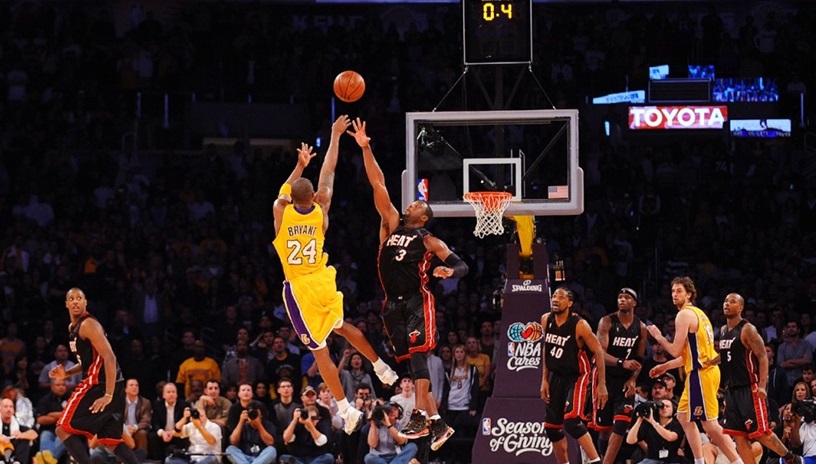
In the final seconds of a game, with a stadium holding its breath and millions watching worldwide, the outcome of years of preparation can rest on a single play. These are the moments when time seems to slow down — when composure, execution, and courage collide. Known as clutch moments, they are the heartbeat of sports, where legends are forged and history is rewritten.
What Makes a Moment “Clutch”?
A clutch moment isn’t just a last-second score. It’s a defining instance under extreme pressure where the stakes are high and the margin for error is razor-thin. These moments combine three essential elements:
- High pressure: Typically in championship games, knockouts, or matches with everything on the line.
- Time sensitivity: Often unfolding in the final seconds or plays of a contest.
- Execution under stress: Perfect delivery despite physical and mental fatigue.
Iconic Clutch Moments That Changed Sports History
Michael Jordan – “The Shot” (1989)
In Game 5 against the Cavaliers, Jordan hit a buzzer-beater over Craig Ehlo, giving the Bulls a dramatic win. This wasn’t just a win; it marked the beginning of an era where Jordan repeatedly proved he could deliver when it mattered most.
Ray Allen – Game 6, 2013 NBA Finals
With the Heat down and the Spurs seconds from a championship, Ray Allen backpedaled to the corner and sank a game-tying three-pointer that pushed the game into overtime. Miami went on to win the title, and Allen’s shot became one of the most replayed in NBA history.
Zinedine Zidane – 2002 UEFA Champions League Final
In a moment of sublime technique, Zidane volleyed a left-footed goal from the edge of the box for Real Madrid — one of the greatest goals ever scored in a final.
Andrés Iniesta – 2010 FIFA World Cup Final
In extra time, Iniesta’s calm strike brought Spain their first World Cup, capping an unforgettable tournament with precision and poise.
MS Dhoni – 2011 Cricket World Cup Final
With pressure mounting and India chasing the win, Dhoni struck a six to seal the match and the championship. The image of his follow-through is etched in cricketing history.
Tom Brady – Super Bowl LI Comeback (2017)
Down 28–3, Brady led the New England Patriots to a 34–28 overtime win against the Falcons. His methodical passing, decision-making, and leadership transformed the impossible into reality.
Roger Federer vs. Rafael Nadal – Wimbledon Final 2008
Federer saved multiple match points before Nadal finally secured the win in what many still call the greatest tennis match of all time. The sheer resilience on both sides elevated the sport’s standards.
Novak Djokovic – Wimbledon 2019
Djokovic saved two championship points on Federer’s serve in the final set, ultimately winning in a first-ever tiebreak final. His mental toughness under extreme stress was a textbook example of clutch performance.
Kirk Gibson – 1988 World Series Game 1
Barely able to walk, Gibson hit a pinch-hit, walk-off home run for the Dodgers. His slow trot around the bases is one of baseball’s most enduring images.
The Psychology of Clutch Performance
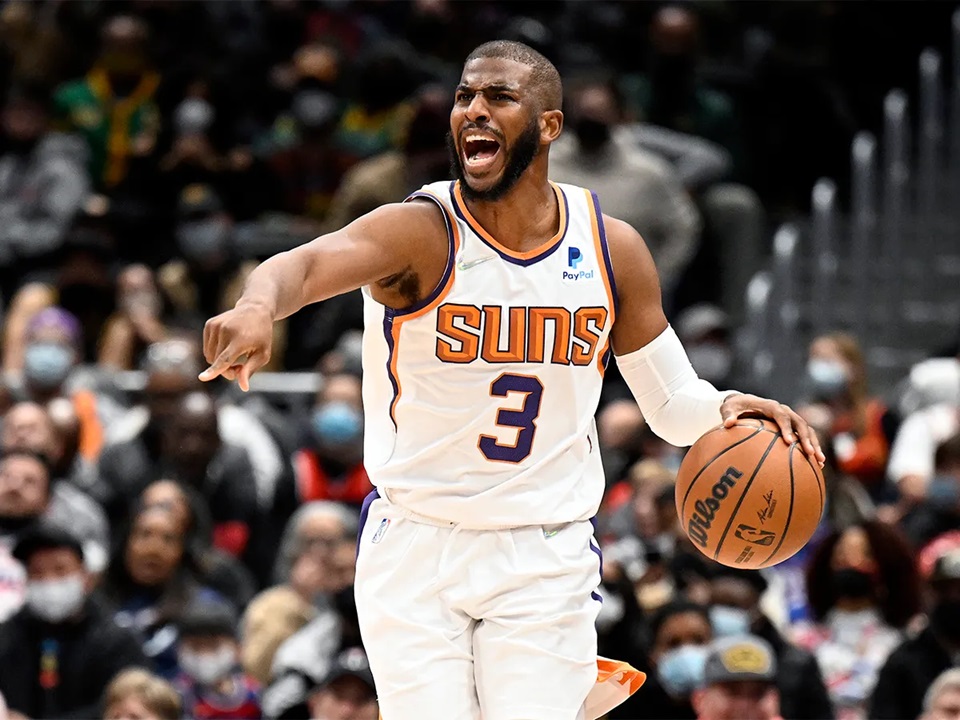
Clutch moments are rarely about raw skill alone. They reflect an athlete’s ability to perform without letting pressure distort execution. What happens internally during these moments?
- Mental clarity: Elite athletes often describe entering a “flow state” where everything feels slowed down and instinctive.
- Muscle memory: Repeated high-pressure practice prepares them to act without hesitation.
- Controlled emotion: Breathing techniques, visualization, and routine help manage adrenaline and focus.
- Prepared confidence: Clutch performers don’t just rise to the occasion — they are trained to thrive in it.
Training the Clutch Instinct
Athletes don’t just hope to be clutch — they train for it. Coaches simulate high-pressure moments in practice, design drills with time limits, and condition athletes to make quick decisions under fatigue.
Mental coaches now play a growing role, helping athletes develop resilience and visualization habits. Athletes review pressure situations from past games to understand patterns and reactions.
Leadership also matters. Clutch players often have a quiet confidence — they don’t avoid responsibility when the moment comes. They embrace it.
Why Clutch Moments Resonate Beyond the Game
These moments transcend the game. They become cultural references, sources of national pride, and stories passed down through generations. Fans remember where they were when those plays happened. They become part of a team’s identity — and an athlete’s legacy.
Ray Allen’s three-pointer changed a series. Dhoni’s six inspired a cricket-loving nation. Jordan’s shot became the blueprint for basketball greatness. These moments remind us of the rare intersection between precision, pressure, and poise.
Final Thoughts
Clutch moments don’t happen by accident. They are born from repetition, mental discipline, and an athlete’s belief in their ability when everything is on the line. Whether it’s a game-winning shot, a goal in the final minute, or a title-deciding serve, these moments reveal the true essence of sport — rising above pressure to deliver perfection.




 Fully Sport
Leave a comment