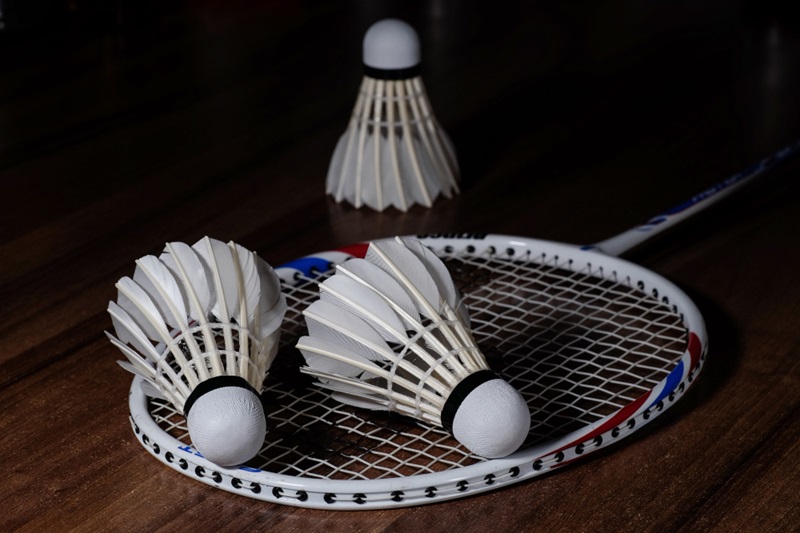
Badminton has undergone a transformation that extends far beyond the court. What once relied on simple wooden rackets and handmade shuttlecocks is now a fast-paced, technology-integrated sport where gear plays a critical role in performance. As the game has evolved, so too has the equipment—becoming lighter, faster, more durable, and smarter.
Early Beginnings: A Simpler Game
Badminton originated in British India as a leisurely pastime, where the gear was basic but functional. Wooden rackets with natural gut strings were heavy and rigid, offering limited control and swing speed. Shuttlecocks were made from feathers inserted into cork bases, often crafted by hand, leading to inconsistencies in flight and durability.
While rudimentary by today’s standards, this early equipment laid the groundwork for what would become one of the most gear-sensitive sports in the world.
The Racket Revolution
The most significant transformation has occurred in the design and material of rackets. By the 1970s, aluminum and steel replaced wood, offering better strength and lighter handling. The 1980s introduced graphite and carbon fiber, which allowed manufacturers to build rackets that were light yet capable of withstanding high-tension strings.
Modern rackets now incorporate nanotechnology, carbon layering, and tungsten-infused frames. Innovations like isometric head shapes provide a larger sweet spot, and thinner shafts reduce air resistance. Players can choose between head-heavy (for power), head-light (for speed), or balanced rackets depending on their style of play.
Signature series designed for athletes like Viktor Axelsen and Tai Tzu-ying further personalize racket attributes—offering specific flex levels, balance points, and grip dimensions.
Shuttlecock Development: From Fragile to Consistent
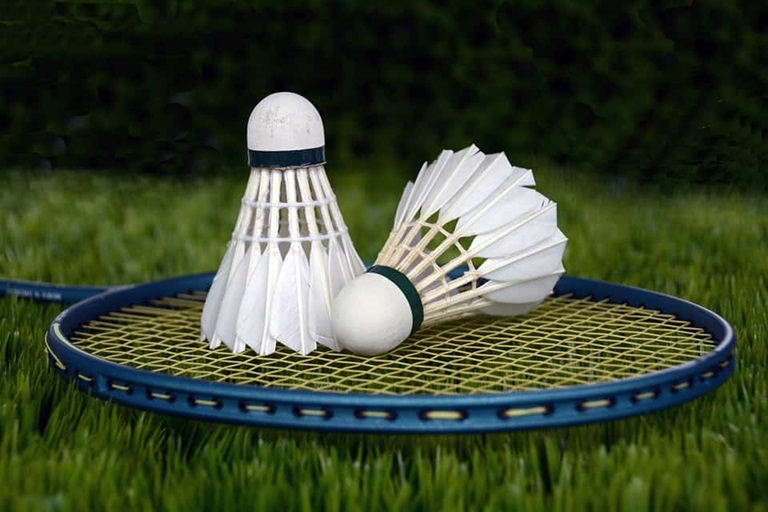
Feathered shuttlecocks made from goose or duck feathers remain the professional standard, but their limitations are clear: they are costly, fragile, and inconsistent. With sustainability becoming a concern, recent years have seen major advancements in synthetic shuttlecock design.
New hybrid models closely replicate the flight behavior and feel of natural feathers, making them more viable for training and competitive play. Some manufacturers now use bio-synthetic materials that improve durability while reducing environmental impact. The Badminton World Federation (BWF) continues to test and approve these alternatives for official use.
Shoes and Court Gear: Engineered for Agility
Footwear has advanced significantly to meet the sport’s demand for lateral movement and sudden directional changes. Early flat-soled shoes have been replaced by models with shock absorption, ankle support, and non-marking soles. Brands like Yonex, Victor, and Li-Ning offer sport-specific features like lateral claws and carbon plates for improved stability and energy return.
Athletes now rotate between different shoes based on surface types—wooden floors vs synthetic mats—and rely on custom insoles to prevent stress injuries. This evolution in footwear helps reduce strain on joints and extend careers at the elite level.
Clothing Designed for Performance
Badminton apparel has shifted from heavy cotton to high-performance synthetic fabrics. Today’s kits are lightweight, moisture-wicking, and flexible. Compression wear is increasingly used for circulation and muscle recovery, while modern materials provide UV protection for outdoor play.
Professional players often use layered clothing strategies during training and recovery to regulate body temperature, especially in climates where tournaments span multiple time zones and conditions.
Grips, Strings, and Functional Accessories
Grips have diversified from basic cotton to specialized towel grips, PU grips, and overwraps. These options allow players to customize texture and thickness according to sweat levels and comfort.
String technology has also advanced. Players now use high-tension synthetic strings, adjusting tension levels to control shuttle speed and accuracy. Professionals may restring their rackets after every match to maintain consistent performance.
Other essential accessories include wristbands for sweat control, kinesiology tape for joint support, and compression sleeves to manage fatigue and enhance recovery.
Technology in Modern Badminton Gear
Gear today goes beyond physical attributes—it’s becoming data-driven. Some rackets feature embedded sensors to track swing speed, angle, and impact. Wearables like WHOOP and Garmin are now part of regular training, providing data on recovery, sleep quality, and heart rate variability.
Developers are even working on smart shuttlecocks capable of measuring impact force and trajectory, potentially changing how coaches and players review performance.
The Influence of Professional Players
Top athletes are shaping gear trends and innovations. Collaborations with equipment brands lead to the release of customized series based on player input. Lin Dan, for instance, worked closely with Li-Ning to develop a racket that suited his aggressive playing style.
These collaborations often extend into limited-edition apparel, accessories, and shoes, blurring the line between function and fashion.
Sustainability and the Future
Sustainability is becoming a central focus in gear development. Manufacturers are experimenting with biodegradable shuttle materials, recyclable racket frames, and eco-friendly packaging. Ethical sourcing of feathers and energy-efficient production processes are also gaining attention.
Looking ahead, AI-generated rackets, personalized gear based on biomechanical data, and integration of augmented reality for virtual training may become the new norm.
Conclusion
Badminton gear has evolved into a sophisticated ecosystem of science, style, and strategy. From handcrafted wooden rackets to tech-enhanced, player-specific equipment, each advancement serves one purpose: to push the limits of performance. For today’s athletes, gear is no longer just a tool—it’s an extension of their identity and a decisive factor in the pursuit of excellence.




 Fully Sport
Leave a comment