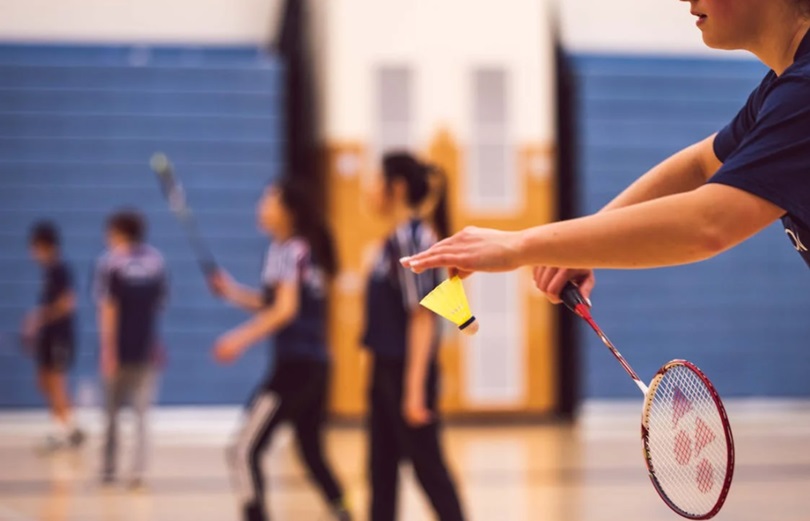
In a sport where matches are won or lost in fractions of a second, the physical and mental demands on professional badminton players are relentless. With year-round tournaments, intense training sessions, and rising media attention, burnout is a growing concern. To sustain peak performance, today’s top players are turning recovery into a science. Here’s how they manage the balance between pushing limits and pulling back.
Understanding Burnout in Badminton
Unlike some sports where breaks are longer and play is slower, badminton demands explosive power, speed, and constant mental alertness. Players frequently report:
- Persistent fatigue
- Loss of motivation
- Emotional exhaustion
- A noticeable dip in performance and focus
What makes burnout more likely in badminton is the travel-heavy schedule, back-to-back tournaments, and the pressure to maintain rankings. Overuse injuries in the shoulder, knees, and ankles add to the physical stress, often forcing athletes to keep performing through pain.
Physical Recovery: Every Detail Matters
Sleep as the Foundation
Quality sleep is prioritized by elite athletes as a non-negotiable recovery tool. Most pros track their sleep cycles using devices like WHOOP or Oura rings to monitor heart rate variability, deep sleep phases, and nightly recovery. Some even work with sleep coaches to improve wind-down routines and optimize their rest between tournaments.
Nutrition That Repairs, Not Just Fuels
After a match, players focus on nutrient timing. Meals rich in lean protein, complex carbs, and anti-inflammatory foods like turmeric, chia seeds, and berries are standard. Hydration isn’t limited to water—electrolyte-rich drinks help replenish sodium and potassium lost during intense rallies. Magnesium and collagen supplements are also common for muscle and joint support.
Hands-On Therapy and Recovery Tools
Post-match physiotherapy is essential. Most pros undergo deep-tissue massages, compression therapy, and foam rolling sessions to reduce muscle tightness. Recovery boots and electrical muscle stimulation (EMS) machines are often used to improve blood flow and flush out metabolic waste after games.
Active Recovery Over Complete Rest
Instead of full rest days, players prefer low-impact activities like swimming, light cycling, or yoga. These help maintain mobility and prevent stiffness while still allowing the body to recover. Stretching routines are personalized to target frequent injury zones—especially the knees and rotator cuffs.
Mental Recovery Is Just As Critical
Mindfulness and Meditation
A rising number of players now engage in daily mindfulness practices to manage performance anxiety and maintain mental clarity. Guided meditation through apps like Headspace or Calm is often included in their daily routine—particularly after high-stress matches.
Working with Sports Psychologists
Athletes at the top level regularly consult sports psychologists to manage stress, build confidence, and maintain focus. Visualization techniques are used both before and after games to mentally prepare for match scenarios and emotionally process setbacks.
Disconnecting to Recharge
Digital overload is a common burnout trigger. Some players enforce strict post-match digital detox periods, avoiding social media and news coverage to protect their mental space. Many pursue non-sport hobbies like music, journaling, or nature walks to unwind.
Planned Recovery: Strategic Scheduling
Recovery isn’t accidental—it’s built into the annual plan. Most top players, with input from coaches and performance staff, deliberately space out their tournament entries to avoid overtraining. For example, Viktor Axelsen often skips smaller tournaments to preserve energy for major events.
Off-seasons are structured carefully. Some players use this time to heal minor injuries, while others reduce training intensity and focus on restorative practices. These breaks are often just as critical as the competition phase.
Technology That Supports Smarter Recovery
Modern recovery now includes technology previously reserved for elite sports science labs:
- Cryotherapy chambers are used to speed up muscle healing.
- Infrared saunas help reduce inflammation and improve circulation.
- Wearable tech tracks everything from daily recovery scores to injury risks.
- AI-backed platforms adjust training loads based on real-time fatigue markers.
With wearable integration into training, players receive instant feedback, allowing adjustments to effort levels based on recovery readiness—not just intuition.
Real-Life Recovery Routines
Tai Tzu-ying, known for her unpredictable gameplay, maintains a rigid recovery schedule that includes eight hours of sleep, minimal digital interaction, and acupuncture sessions.
Anders Antonsen incorporates journaling and post-match self-analysis to emotionally decompress and maintain clarity across tournaments.
Akane Yamaguchi relies on traditional Japanese practices—hot springs, therapeutic baths, and herbal teas—to support her recovery both mentally and physically.
Recovery Roadblocks
Despite the progress, challenges remain:
- International schedules leave little time between tournaments.
- Players often push through fatigue to meet ranking or sponsorship obligations.
- Travel-related sleep disruption and jet lag are unavoidable for many.
Even with elite-level support, recovery is a constant balancing act.
The Future of Recovery in Badminton
Emerging trends such as DNA-based recovery profiling and advanced neurofeedback training are being explored by sports scientists. Personalized plans based on genetic markers or cognitive load assessments could further refine how athletes rest and return stronger.
Recovery, once seen as passive, is now one of the most active and strategic elements of a professional badminton career. For those at the top, it’s not just about how hard you train—it’s how smartly you recover.



 Fully Sport
Leave a comment