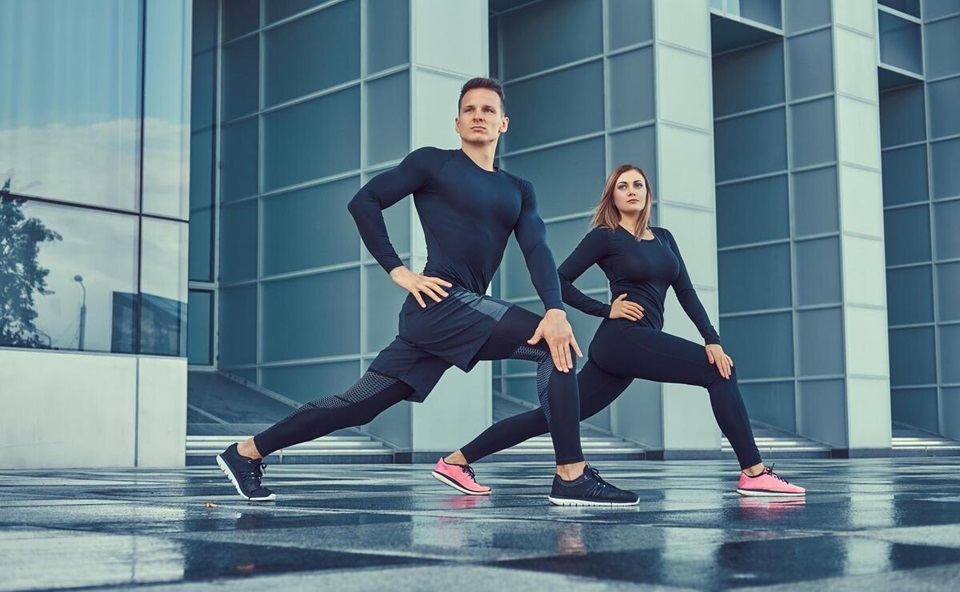
Sports fashion in 2025 is redefining what it means to look good while performing at your best. No longer confined to the gym, athletic wear has evolved into a lifestyle—where functionality meets innovation, sustainability, and cultural expression.
From Function to Fashion Identity
Historically, sportswear served a single purpose: performance. But fast forward to 2025, and it’s now a full-blown cultural movement. Whether it’s high-tech leggings at yoga class or moisture-regulating hoodies worn to coffee shops, athletic fashion today is a seamless fusion of performance and personal style.
Smart, Technical, and Functional
In 2025, the rise of smart textiles is shaping the future of athletic fashion. Brands are integrating biometric sensors directly into fabrics—tracking everything from heart rate to hydration levels in real time. These garments don’t just fit well; they respond to your body. Some smartwear even adjusts temperature based on your activity level, making workouts more efficient and comfortable.
Another growing innovation is augmented reality (AR) in fitting rooms. Consumers can now see how activewear performs virtually before making a purchase, thanks to AR-enhanced shopping experiences.
Sustainability: More Than Just a Buzzword
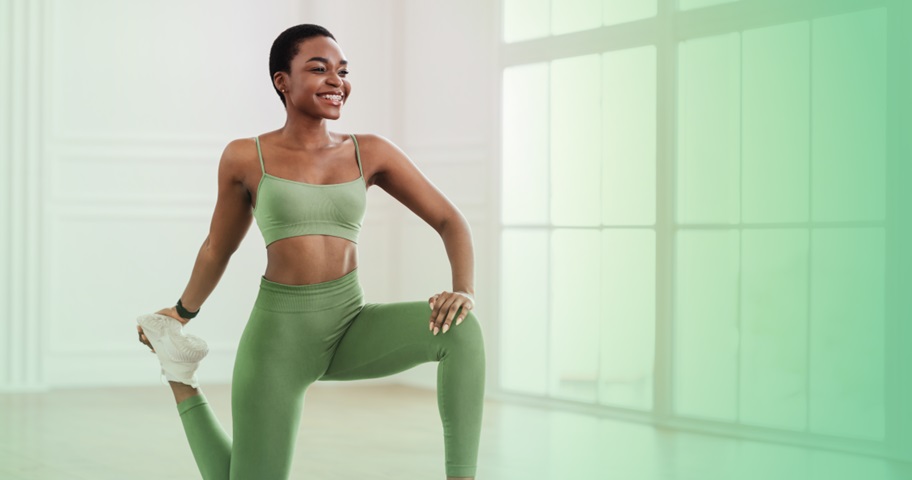
Conscious consumption has finally caught up with sports fashion. Top brands are using ocean plastics, bamboo fibers, and plant-based dyes to create eco-conscious activewear. Adidas, for example, released fully recyclable sneakers, while emerging labels focus entirely on zero-waste production.
Circular fashion is gaining real traction, too. In 2025, shoppers are trading fast fashion for long-lasting, repairable gear. Many sportswear companies now offer repair services, recycling programs, and carbon-neutral shipping.
Inclusive by Design
2025 marks a notable shift in inclusivity. Sportswear is now more reflective of real bodies, abilities, and identities. Unisex collections are no longer niche, and size-inclusive ranges are mainstream, not a separate line. Adaptive sportswear—designed for people with physical disabilities or sensory sensitivities—is becoming a core category, not an afterthought.
Designer x Athlete Collaborations
Streetwear and sportswear continue to collide in bold new ways. Collaborations between athletes and high-fashion labels are thriving. Think Nike x Martine Rose, or Puma x Dua Lipa, where performance gear meets editorial aesthetics.
Luxury sportswear is no longer a contradiction. Technical joggers and sculpted sports bras appear not just in gyms but also in front-row seats at fashion weeks.
Cultural Influence on Global Sportswear
In 2025, sports fashion is embracing cultural identity like never before. Korean minimalism brings clean lines and neutral palettes to global brands. African prints are integrated into leggings, wraps, and track jackets with respectful design partnerships. Latin-inspired activewear features color-rich palettes, breathable textures, and bold prints.
Influencers and the New Age of Activewear Marketing
Fitness influencers aren’t just recommending leggings anymore—they’re launching their own lines. With platforms like TikTok and Instagram leading fashion conversations, influencers are driving demand for stylish, high-performance gear. What sets 2025 apart is the focus on authenticity: followers value real-life use over studio-lit perfection.
Tech Meets Trend in Retail
Shopping for sportswear is now a digital-first experience. AI algorithms recommend gear based on body shape, activity level, and even local climate. Meanwhile, the metaverse is introducing a new category: virtual activewear for digital avatars. Some fitness platforms even reward players with virtual clothing after completing challenges—further blurring the lines between physical and digital fashion.
Beyond the Gym: The Rise of the Hybrid Wardrobe
The modern consumer wants apparel that adapts. Today’s gymwear is sleek enough for meetings, flexible enough for workouts, and stylish enough for evenings out. Pieces like performance dresses, blazers with stretch panels, and leggings with built-in phone chargers are quickly becoming everyday essentials.
The Brands Redefining Sports Fashion in 2025
- Nike has expanded its adaptive gear line and launched AI-generated sportswear tailored to individual biomechanics.
- Lululemon is integrating guided breathing and posture feedback into its yoga apparel.
- Adidas leads the charge on sustainability, releasing climate-responsive shoes.
- Emerging startups like Pangaia and SEFI are combining lab-grown fabrics with data-driven design.
What’s Next?
As sportswear continues to evolve, expect deeper integration with health tech, more collaborations across creative industries, and greater emphasis on emotional well-being. Garments may soon regulate anxiety, improve focus, or encourage better posture throughout the day. The future of sports fashion is about more than looking fit—it’s about living well, inside and out.




 Fully Sport
Leave a comment