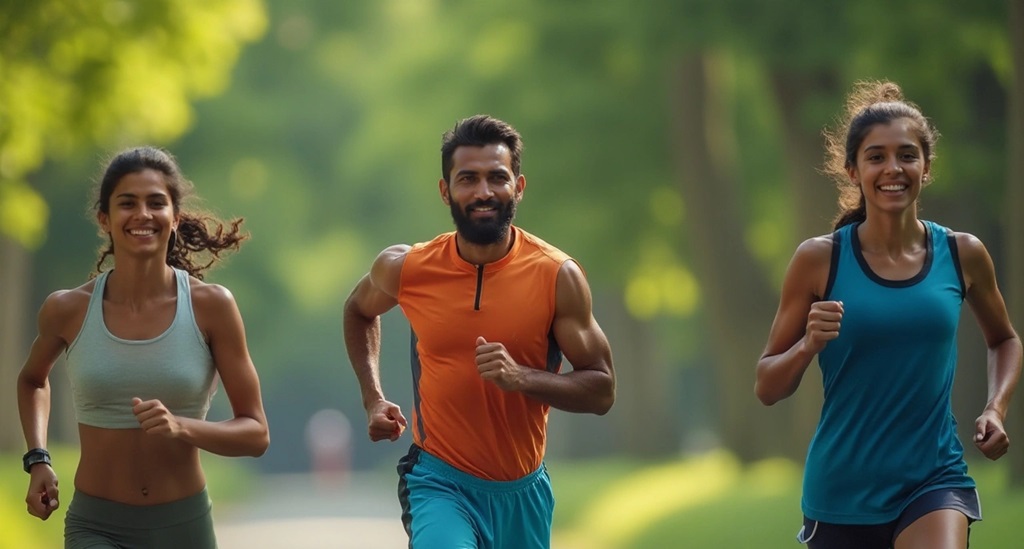
When we think about athletic performance, we often focus on training routines, nutrition, and mental preparation. But one vital element often gets overlooked — the gear. The right sportswear doesn’t just look good; it plays a crucial role in enhancing performance, reducing fatigue, and even preventing injury. Here’s a closer look at how smart gear choices can give athletes an undeniable edge.
Fabric Technology That Works With You
Performance wear has evolved from simple cotton shirts to engineered fabrics designed for high-intensity movement. One of the most critical advancements is moisture-wicking technology. Materials like polyester blends and nylon are treated to pull sweat away from the body, helping athletes stay dry and cool. This reduces the risk of overheating and chafing — both common issues that affect performance, especially in endurance sports.
Additionally, many performance fabrics include antimicrobial treatments that prevent odor buildup during prolonged activity, which is particularly valuable in team sports or training environments where hygiene matters.
Fit and Function: Less Distraction, More Focus
The fit of sportswear directly influences how you move. Compression gear, for instance, provides muscle support and improves blood circulation, which can help reduce muscle soreness after workouts. In contrast, sports like yoga or climbing demand flexibility, making stretchy, form-fitting apparel essential.
Poorly fitted gear causes unnecessary distractions — from adjusting waistbands to dealing with fabric bunching. Seamless construction, lightweight materials, and ergonomic cuts reduce these interruptions, letting athletes focus entirely on their performance.
Tailored for the Sport
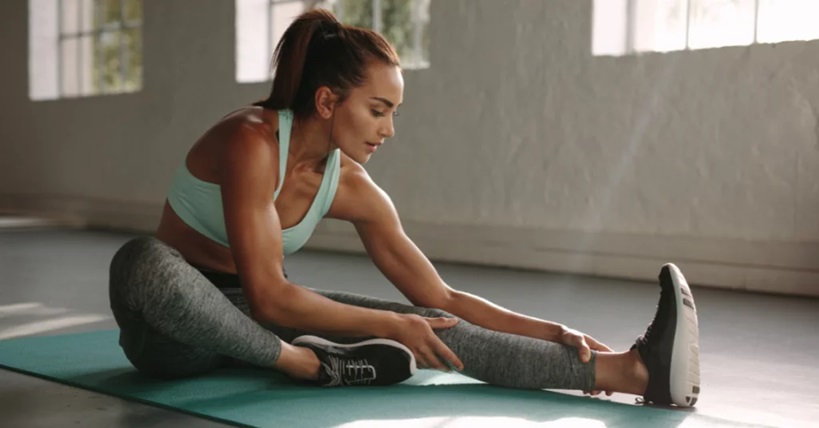
Performance apparel isn’t one-size-fits-all — what works for a sprinter doesn’t suit a cyclist or swimmer. Each sport has unique requirements:
- Runners benefit from breathable tops, compression shorts, and cushioned shoes that match their gait.
- Cyclists need padded shorts for comfort and jerseys designed to cut wind resistance.
- Swimmers rely on drag-reducing tech suits that enhance water flow and minimize friction.
- Team sport athletes, like soccer or basketball players, look for gear that allows maximum mobility, sweat control, and durable footwear built for sudden directional changes.
- Weightlifters prefer joint-supportive accessories like belts and knee sleeves, paired with firm-soled shoes for better stability during lifts.
Selecting gear that meets the physical demands of your sport can improve efficiency and reduce injury risk.
The Psychological Advantage
Sportswear doesn’t just affect the body — it influences the mind. Wearing well-fitted, high-quality gear can boost confidence. It signals readiness, both to the athlete and their competition.
There’s also a psychological phenomenon called “enclothed cognition,” where what you wear affects how you perform. Athletes who believe their gear improves their performance often experience measurable gains simply due to mindset. For team sports, uniforms build a shared identity and unity, boosting morale and cooperation.
Safety and Injury Prevention
Sportswear is also engineered for safety. Reflective strips on running jackets and shoes help outdoor athletes stay visible in low-light conditions. High-grip materials on gloves or footwear prevent slips, while padded gear protects joints during impact-heavy activities.
Footwear is particularly vital. Running in shoes that lack proper arch support or shock absorption can lead to overuse injuries. Similarly, the wrong shoe surface pairing — like wearing indoor court shoes on turf — increases injury risk.
Innovation in Athletic Wear
Athletic gear continues to evolve with technology. Today, smart fabrics are integrated with sensors that track movement, heart rate, and hydration levels in real-time. This provides immediate feedback, allowing athletes to fine-tune their performance on the go.
Sustainability is also gaining ground. Brands now use recycled plastics and eco-conscious dyes without sacrificing quality or performance — a bonus for athletes who care about the planet as much as their results.
Another breakthrough is custom-fitted gear through 3D body scanning. Especially useful for elite athletes, this ensures each garment fits like a second skin, reducing drag, friction, and discomfort.
Choosing the Right Gear: A Quick Guide
Investing in performance wear doesn’t mean buying the most expensive item. Instead:
- Understand your sport’s physical and environmental demands
- Try different fits to find what moves with you
- Prioritize breathability, support, and durability
- Don’t ignore your footwear — it’s the foundation of movement
A few high-quality pieces tailored to your needs often outperform a full closet of mismatched gear.


 Fully Sport
Leave a comment