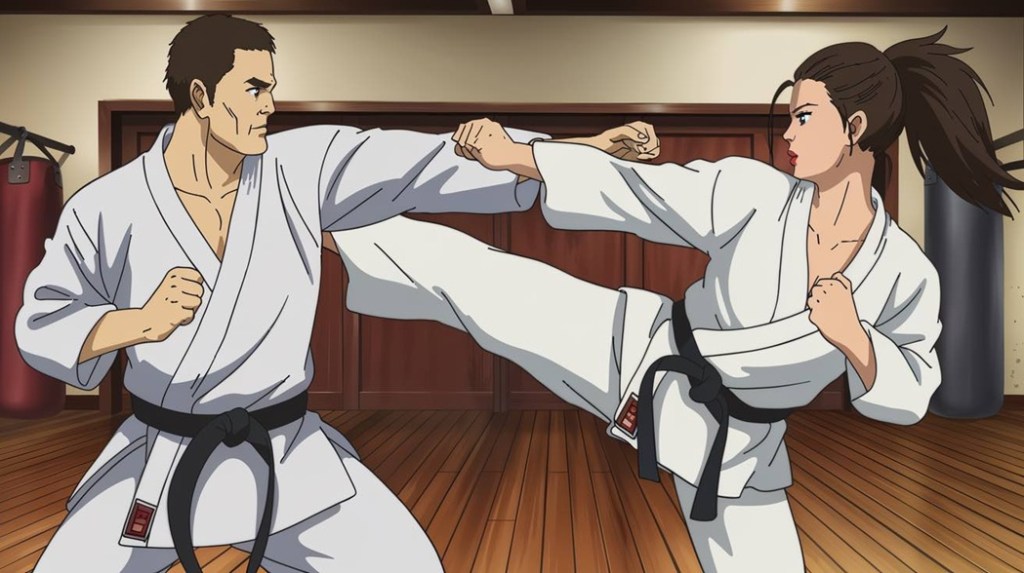
In the heat of a competitive match, the crowd often gasps at a powerful punch, a booming serve, or a thunderous slam dunk. But beneath these highlights lies an often overlooked determinant of victory: footwork. Quietly efficient and strategically decisive, footwork is the silent weapon that wins matches before raw power even gets a chance to shine.
Why Footwork Is the Real Game-Changer
Power may offer momentary advantage, but it’s footwork that builds consistency, balance, and adaptability. Whether in tennis, boxing, or basketball, movement determines positioning, and positioning determines outcomes.
A well-placed shot in tennis is only possible if the player gets to the ball early. In boxing, power punches are ineffective if the fighter is off-balance or too close. Great players are not just strong; they’re always in the right place at the right time—and that’s footwork.
What Makes Footwork So Critical
Footwork isn’t just moving around. It’s about micro-adjustments that help maintain center of gravity, shift weight efficiently, and set up the body for precise actions.
- Positioning: Good footwork allows athletes to hit or defend from a position of strength.
- Recovery: It’s not just about the first step, but also about how quickly one resets.
- Energy efficiency: Smart movement conserves energy for critical moments.
- Timing and anticipation: Reading the play and getting into place early prevents rushed or poorly executed actions.
Real Examples Where Footwork Dominated
Take Novak Djokovic, for instance. He’s not the hardest hitter on the tennis court, but his split-step and lateral coverage allow him to neutralize aggressive opponents repeatedly.
In boxing, Floyd Mayweather Jr. is a masterclass. His pivoting, lateral movement, and ability to create distance have allowed him to escape powerful shots and frustrate punchers who rely heavily on brute strength.
In basketball, Stephen Curry’s off-ball footwork is unparalleled. His ability to move through screens and create space is more lethal than many power-driven athletes who rely on size and strength alone.
The Science Behind Movement Over Muscle
While power relies heavily on muscle output, footwork engages a more refined interplay of balance, coordination, and neuromuscular control.
- Center of gravity: Good footwork ensures the body stays grounded and balanced.
- Agility: Change of direction is more valuable than straight-line speed.
- Reaction time: Athletes with sharp footwork reach optimal positions faster and more efficiently.
Athletes with great footwork also tend to suffer fewer injuries because their movements are more controlled and biomechanically sound.
Training That Prioritizes Footwork
Improving footwork requires deliberate practice. High-level athletes consistently work on the following:
- Agility drills: Ladder drills, cone drills, and shadow training are staples.
- Core strength: Footwork depends heavily on core stability and balance.
- Sport-specific drills: Tennis players practice split-steps and recovery; boxers work on lateral shuffles and pivots; basketball players rehearse defensive slides and closeouts.
Footwork training isn’t just about speed—it’s about control under fatigue and pressure.
Common Mistakes That Undermine Performance
Many athletes unknowingly prioritize power, assuming it will compensate for poor movement. Common pitfalls include:
- Flat-footed stance, leading to poor reaction times
- Over-reliance on upper body force while neglecting leg positioning
- Skipping recovery steps, especially in fast-paced rallies or exchanges
These mistakes not only limit performance but also increase the likelihood of fatigue and errors.
Footwork Builds Strategy and Control
One of the most underrated benefits of superior footwork is tactical control. Athletes can dictate pace, create pressure, and set traps. Great footwork lets players:
- Cut off angles and reduce the opponent’s options
- Maintain defensive integrity while preparing for offense
- Force the opponent into unfavorable positions, increasing the chance of unforced errors
It’s a strategic weapon, not just a technical tool.
Final Takeaway
In competitive sports, power may be the loudest player—but footwork is the smartest. It quietly positions athletes to make better decisions, conserve energy, avoid mistakes, and control the match. For anyone serious about elevating their game, investing in footwork isn’t optional—it’s essential.


 Fully Sport
Leave a comment