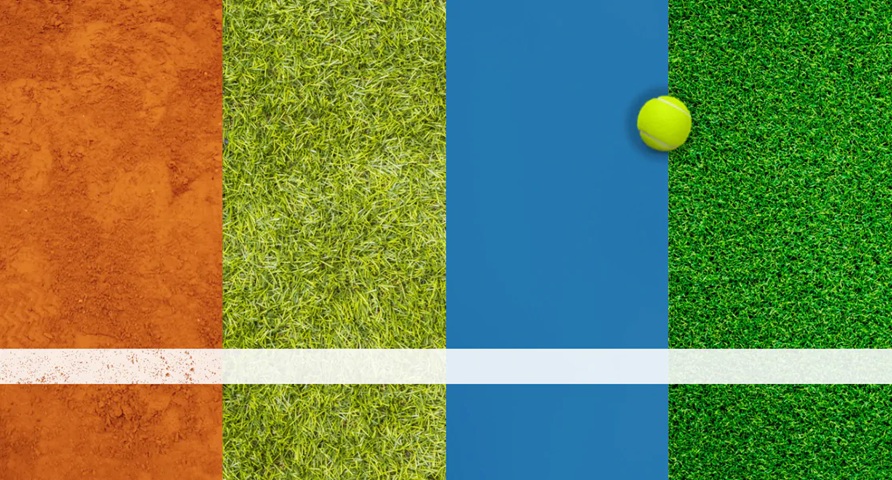
Tennis may be a global sport, but every match begins with a surface. Whether it’s clay, grass, or hard court, the ground under a player’s feet shapes their game more than most realize. Some surfaces slow the ball, others make it skid. Some favor endurance, others reward aggression. Understanding these differences isn’t just for coaches and analysts—it’s key to understanding how champions are made.
How Court Surfaces Influence the Game
Each court surface changes the way tennis is played, from the bounce of the ball to the movement patterns players use. Here’s how each one sets the stage:
- Clay courts are made from crushed stone or brick and are the slowest surface in tennis. The ball bounces high, rallies last longer, and sliding becomes a skill rather than a mistake.
- Grass courts offer a fast-paced game. The ball stays low and moves quickly, forcing players to make rapid decisions and use precise footwork.
- Hard courts are the most common surface, offering a consistent bounce and a middle ground between the speed of grass and the endurance-testing nature of clay.
These aren’t just technical differences. They influence career longevity, injury risk, and even national tennis identities.
Why Play Style Depends on the Ground
A player’s preferred court often aligns with their natural style. Those with heavy topspin and patience thrive on clay, while aggressive servers and volleyers shine on grass.
On clay, the emphasis is on endurance and constructing points. Players like Rafael Nadal built their legacies around the physical demands of clay, using extreme topspin and unmatched lateral movement to outlast opponents.
On grass, success comes from fast decision-making. Roger Federer’s dominance at Wimbledon came from his quick serve, net game, and ability to keep points short.
Hard courts, used at the Australian and US Opens, reward balance. Novak Djokovic, known for his baseline consistency and movement, has become one of the most successful hard-court players in history.
How Surfaces Shape Legends
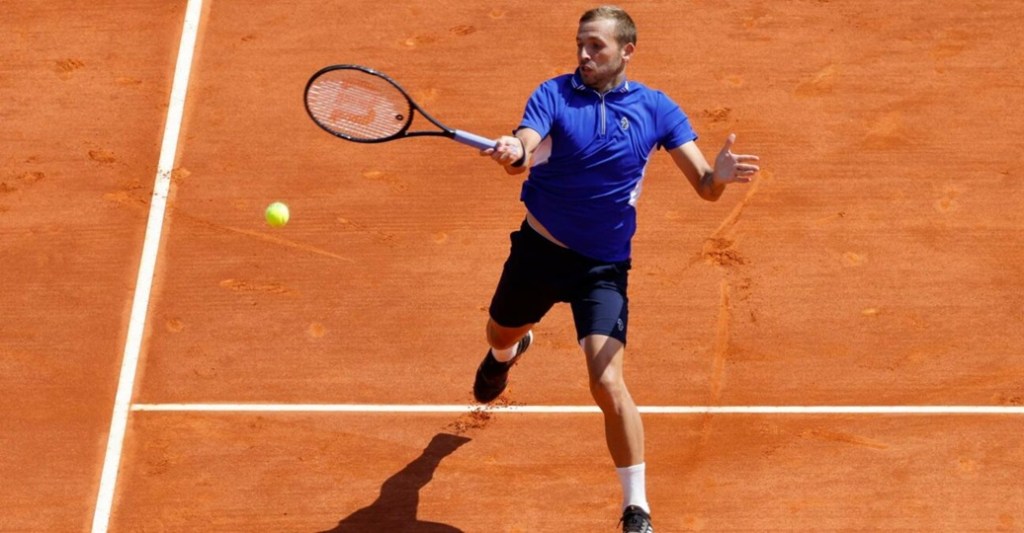
Surface preferences don’t just affect playstyle—they can define entire careers.
- Rafael Nadal has won 14 French Open titles on clay, the most by any player at a single Grand Slam. His success isn’t just skill-based; it’s a synergy between his movement, shot selection, and the surface’s demands.
- Roger Federer‘s precise footwork and slice serve allowed him to glide through grass courts like few others, collecting eight Wimbledon titles.
- Novak Djokovic holds the record for most Australian Open titles, showcasing how adaptable and effective he is on hard courts with their even bounce and speed.
Each player is a master—but only when playing on the canvas that suits them best.
How Geography and Training Matter
Surface exposure begins early. Spanish and South American players often grow up on clay, while American and Australian juniors mostly train on hard courts. Grass courts are rare, making consistent performance on them a challenge for many.
Players also adjust their training routines based on surface-specific needs. On clay, they work on sliding and endurance. On grass, it’s reflex drills and low bounce handling. Hard court prep often focuses on impact absorption and movement efficiency.
Tactical Shifts Between Surfaces
Smart players don’t just rely on talent—they adapt their tactics:
- On clay, deeper court positioning, longer rallies, and strategic point-building become essential.
- On grass, shorter swings and quick approaches to the net are critical due to fast points and lower bounce.
- On hard courts, players must blend offense and defense seamlessly, as these surfaces allow for a wider range of play styles.
Footwork, ball selection, and even string tension in rackets are adjusted from surface to surface to stay competitive.
Injury Patterns and Longevity
Each surface affects the body differently:
- Clay is the easiest on joints but tests overall stamina.
- Grass is soft but slippery, increasing the risk of ankle injuries.
- Hard courts, while durable, can be brutal on knees, hips, and lower backs due to their rigidity.
This is why many players schedule their seasons strategically, skipping events on surfaces that don’t suit their bodies or playing style.
Scheduling Around the Surface
The tennis calendar demands rapid surface changes, especially from spring to summer:
- The clay season, ending with Roland Garros, gives way in less than a month to Wimbledon on grass.
- The hard-court season frames the year, with the Australian Open in January and the US Open in late summer.
Players often prioritize events where they perform best. For example, Nadal typically limits his hard-court appearances to reduce injury risk, while Federer often opted for selective scheduling on clay.
Surface Versatility and Greatness
In the debate over tennis greatness, surface versatility is a key metric. A player dominating one surface is impressive, but true legends prove themselves across all three. Djokovic’s calendar Grand Slam attempt, which requires winning all four majors on different surfaces in a single year, reflects how rare complete mastery really is.
A complete champion isn’t just a powerful server or a tireless baseliner. They’re someone who adapts to the bounce, the speed, and the ground—who understands the rhythm of every surface and shapes their game accordingly.
Conclusion
The surface beneath a player’s feet is more than a playing field—it’s a defining factor. It molds play styles, shapes careers, and distinguishes surface specialists from all-surface legends. From the slow drag of clay to the slick speed of grass and the balanced bounce of hard courts, the evolution of a tennis titan is grounded—quite literally—in the courts they conquer.




 Fully Sport
Leave a comment