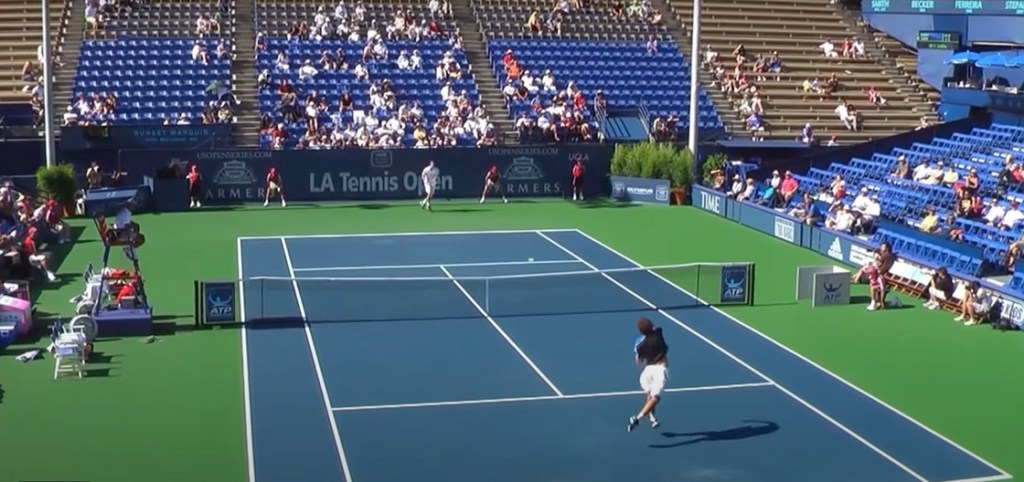
In today’s tennis world, explosive shots might catch the eye, but it’s endurance that wins championships. The modern game is no longer a sprint — it’s a marathon fought from the baseline, where rallies stretch for 20+ shots, and matches often extend beyond three hours. This shift isn’t just about style; it’s about survival, strategy, and physical resilience.
The Tactical Shift to the Baseline
The past decades saw a sharp transition from serve-and-volley to baseline dominance. Players like Pete Sampras once ruled fast courts with short points and aggressive net play. Today, most pros hug the baseline, relying on depth, angles, and consistency rather than risky net approaches.
This change is no accident. Courts have slowed down, balls bounce higher, and new string technologies allow players to hit with more topspin and control. The result? Longer rallies and a game built around exhausting your opponent rather than outflanking them in a few shots.
Endurance: The New Currency of Champions
Modern tennis places extraordinary demands on the body. The average Grand Slam rally is longer than ever, requiring not just strength but sustained cardio fitness. Players now undergo rigorous training focusing on high-intensity interval workouts, VO2 max improvements, and core stability to maintain peak performance throughout five-set matches.
But it’s not just about the legs and lungs. Muscular endurance is critical, especially in the shoulders, hips, and wrists — areas heavily taxed during repetitive baseline strokes. Injuries often result not from one-off moments but from accumulated fatigue over hundreds of shots.
Mental Grit in Extended Battles
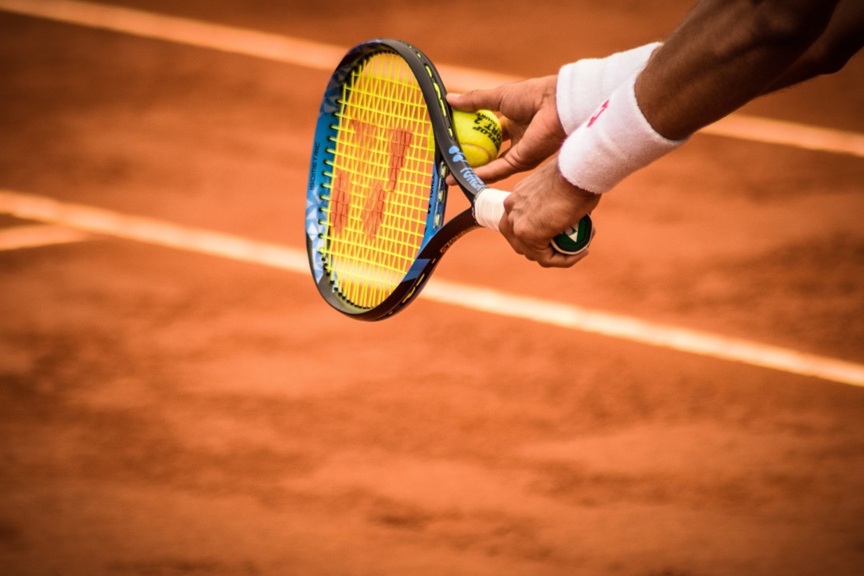
Endurance in tennis isn’t just physical. Mental strength is what keeps players focused in tie-breaks, or during the fourth hour of a draining match. The ability to stay present, manage frustration, and make strategic choices under pressure defines today’s top players.
Players like Novak Djokovic and Rafael Nadal have mastered this. Their point construction is deliberate. They grind down opponents not just with physical effort but psychological pressure — forcing errors through consistency and calculated shot selection.
How Baseliners Train Differently Now
Baseline specialists train like endurance athletes. Their routines often include:
- Interval running to simulate match conditions
- High-rep strength workouts focused on injury prevention
- On-court drills emphasizing footwork, balance, and recovery time between points
- Recovery techniques like cryotherapy, dynamic stretching, and deep tissue massage to manage inflammation from constant lateral movement
All this isn’t optional anymore — it’s essential. Without a high fitness baseline, even the most skilled player can’t keep up.
Why Net Play is Rare — and Why It Still Matters
Serve-and-volley hasn’t disappeared, but its risk has outpaced its reward. Today’s groundstrokes and passing shots are simply too fast and accurate for traditional net rushers. That said, selective net play still holds strategic value. A surprise approach or drop volley can shift momentum, but players only go forward when they’ve earned the advantage from the baseline.
The Role of Surfaces and Equipment
Slower surfaces like hard courts and clay exaggerate the need for stamina. Even Wimbledon, historically a faster tournament, has slowed down over the years. Pair that with modern rackets and polyester strings, and you get a game where generating spin and maintaining control is easier — encouraging players to grind from the back of the court.
What This Means for the Future
The next generation of players — think Carlos Alcaraz or Iga Świątek — are already hybrids. They combine baseline grit with explosive athleticism. But even they rely on supreme conditioning to play their high-energy styles.
As sports science advances, we’ll likely see even more precise training routines tailored to baseline demands. Data will continue to optimize how players recover, hydrate, and move during matches. But one thing is clear: endurance will remain the backbone of success.
Conclusion
Modern tennis is a test of endurance disguised as a sport of skill. While flashy winners still light up the scoreboard, it’s the players who master the grind — who stay calm at hour four, who recover better, who outlast — that emerge as champions. The age of the baseline beast is here, and it’s powered by relentless endurance, both mental and physical.



 Fully Sport
Leave a comment